Learning Zone Articles
This page provides access to relevant western science-based climate datasets and learning resources that can support the use of future climate data in northern adaptation efforts.
Northern Climate Data Resources
Sector overview
10 minutes
This page provides access to relevant western science-based climate datasets and learning resources that can support the use of future climate data in northern adaptation efforts.* Because the climate is changing rapidly, historical data alone is no longer adequate when planning or building for the future in Canada. This is especially true in the North, which has warmed three times faster than the global average from Global emissions of greenhouse gases from human activity will largely determine how much warming Canada and the rest of the world will experience in the future, and this warming is effectively irreversible.2
This warming is leading to rapid and widespread changes to the land, water and ice, including changes in permafrost, snow cover, glaciers, and sea ice.3 When combined with other types of information, such as Indigenous Science, information about future climate conditions (western science-based) can help support climate-informed decision-making and adaptation. While the limited number of weather stations in northern Canada can impact historical data availability, modelled historical and future climate projections are available and applicable to the North.
This section collates resources and climate data for northern use.
This is a starting point, so be sure to revisit this page in the future for new variables and tools to support adaptation planning, climate change risk assessment, and decision-making in the North!
* While the datasets found on ClimateData.ca stem from western science, the partners behind the platform recognize the value of Indigenous Science and Knowledge Systems, including for the purposes of informing Indigenous-led adaptation planning. In this context, western climate science, particularly future projections, can provide an additional piece of information to support Indigenous Peoples, and their self-determined climate actions.
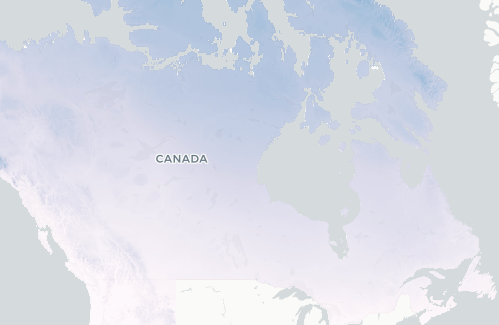
Ice Days describe the number of days that stay below 0°C. Temperatures above 0°C lead to permafrost thaw and alter snow and ice conditions. These changes are hindering hunting and harvesting activities that depend on consistent cold and impacting northern infrastructure.3
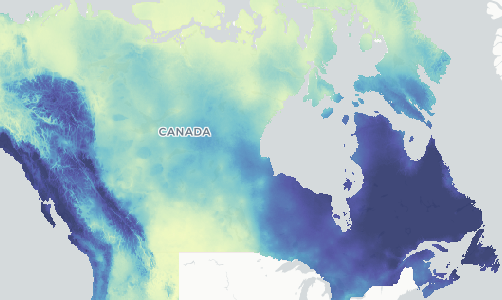
Precipitation in the North is projected to increase, with some seasons and time periods seeing larger increases than others.1 Increased precipitation can present challenges for cultural and subsistence practices, and for new and existing infrastructure.1
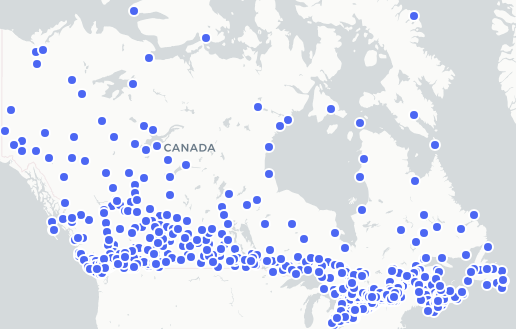
Climate change is expected to increase extreme rainfall in Canada for more info on IDF see Primer on Climate Change and Extreme Precipitation. More intense precipitation may cause higher flow conditions in smaller rivers in the future, which could impact transportation infrastructure between northern communities3. IDF curve data relate short-duration rainfall intensity with its frequency of occurrence. IDF data that integrates climate change (through a temperature scaling methodology) can help improve understanding of future risks, including those associated with flooding.
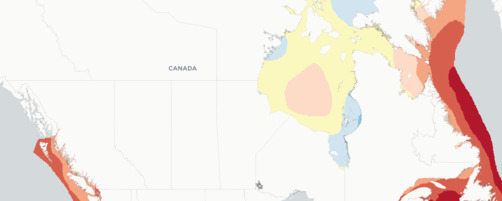
Sea level change is caused by thermal expansion of water, melting ice and post-glacial land uplift. In places like Nunatsiavut and the western Arctic, sea levels are projected to rise.1 The potential for erosion and flooding may increase too.4

Freeze-thaw cycles occur when daily air temperature fluctuates between freezing and non-freezing. As moisture in soil and building materials freezes and expands, it contributes to erosion and permafrost degradation, and infrastructure damage, respectively.5
The number of very cold days in a season is an indicator of the likelihood of conditions supporting transportation on ice roads, sea ice formation, and maintenance of permafrost. Changes in the number of cold days also impact energy use and heating requirements in buildings in the North.6
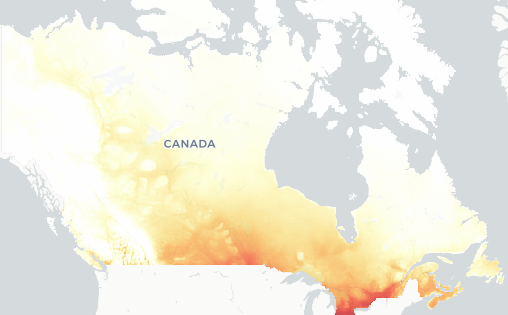
The number of hot days in a season can drive ecosystem changes including the rate of permafrost degradation, the likelihood of wildfires, energy use, and cooling requirements in buildings in the North.6
Climate change is already presenting significant challenges for the operation and maintenance of winter ice roads in northern Canada. Northern communities require data and tools to assess the viability of ice roads in the future. This case study defines and explores one climate index, Freezing Degree Day Exceedance Date (available on the Download Page), that can help with climate risk assessments for winter ice roads.
Thawing permafrost is a result of warming in Canada’s North and is causing widespread impacts to northern infrastructure. In this case study, a risk assessment was completed to better understand the threat from permafrost degradation in the Northwest Territories using a climate risk analysis protocol (the PIEVC Protocol).
Co-led by the Canadian Centre for Climate Services (Environment and Climate Change Canada) and the Climate Change Impacts and Adaptation Division (Natural Resources Canada), the Map of Adaptation Actions houses a collection of real-world climate change adaptation examples that provide useful information to decision-makers and others who want to take action on climate change. The map allows users to filter and explore examples that pertain to specific sectors of the economy, climate issues, locations, etc. For example, you can filter case studies using the keyword “Northern” in the “Types of Settings” filter category to explore examples specific to the North.
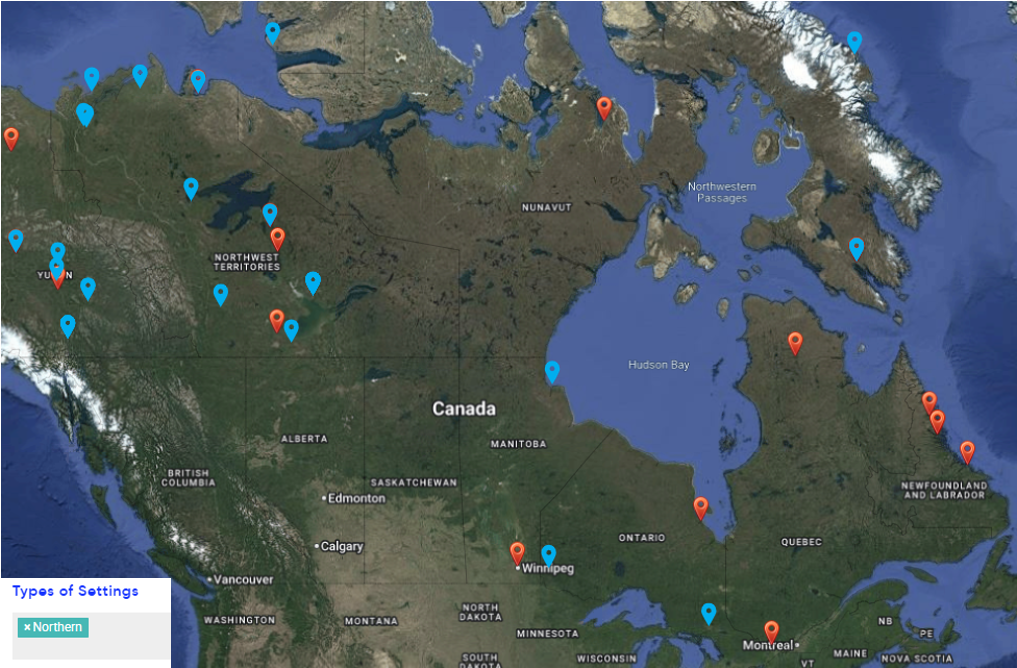
The map includes examples of northern leadership and innovation such as:
The map also includes a webpage with links to even more online platforms that host additional examples of adaptation (see More Examples), including some focusing on Indigenous tools and resources such as the Indigenous Climate Hub and Indigenous Climate Monitoring Toolkit.
Climate change is producing severe impacts to northern landscapes and ecosystems. This chapter discusses climate change impacts and approaches to adaptation across northern Canada. The main topics covered in this chapter are northern landscapes and ecosystems, health impacts and inequities, safe travel, northern leadership and innovation, inherent capacity, and moving forward.3
The Northern Climate Data Report and Inventory identifies, catalogues, and characterizes existing datasets for future development of products for various local and regional applications related to climate change adaptation decision-making in the North. The report describes and lists the principal data sources for historical observational data and for modelled data. It provides an inventory of the historical observational climate data with a focus on meteorological data, snow and hydrology data, sea-ice data and permafrost data, an inventory of existing ensembles of future climate simulations, and key recommendations.7
This project was undertaken with the support of: